
I’ve seen too many talented players get disqualified or miss opportunities because they didn’t understand the rules.
You’re here because you want to compete in the TPOR League. Maybe you’re already registered or you’re thinking about it. Either way, you need to know how this works.
Here’s the reality: your mechanics and game sense will only take you so far. If you don’t know the tournament structure, the code of conduct, or how scheduling works, you’re setting yourself up to fail before you even queue up.
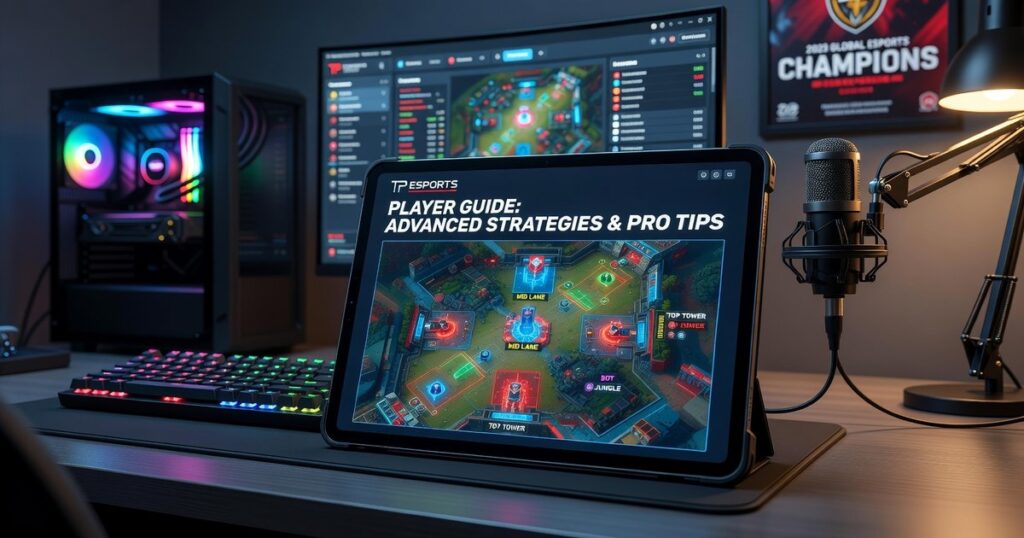
This is the official player guide tportesports created for the TPOR League. Everything in here comes directly from the league organizers.
No guesswork. No outdated forum posts. Just the actual rules and structure you need to follow.
I’m covering registration requirements, what behavior gets you penalized, how the tournament format works, when matches happen, and how prizing is distributed.
This guide exists so every player competes on the same playing field with the same information.
Read it. Know it. Then go win.
Getting Started: Registration & Eligibility Requirements
You want in on the tournament. I get it.
But before you start assembling your dream team, you need to know if you actually qualify. And trust me, nothing’s worse than spending hours prepping only to find out you missed a requirement.
Let me walk you through this.
The Registration Process
Head to the official league portal. You’ll need to create an account if you don’t have one already (most of you probably do). The registration window opens 30 days before the tournament starts and closes 48 hours before the first match.
Don’t wait until the last minute. Seriously.
Who Can Actually Play?
Here’s where people get tripped up. You need to meet three basic criteria.
First, age restrictions. Most tournaments require players to be at least 16 years old. Some go up to 18 depending on the game and region.
Second, regional requirements. You’ll need to register from an eligible region and maintain residency there. The portal checks your account location, so using a VPN won’t help you here.
Third, your account status matters. If you’ve got an active game ban or suspension, you’re out. This includes temporary bans. Your account needs to be in good standing for at least 90 days before registration.
Team Roster Rules
You need between five and seven players per team. Five starters and up to two substitutes.
Now here’s what most people don’t realize. Your substitutes aren’t just backups. They need to meet the same eligibility requirements as your starters. I’ve seen teams get disqualified because they listed a sub who had a ban from three months ago.
Want to make roster changes? You can do that up until the roster lock deadline, which happens 24 hours before your first match. After that, you’re stuck with who you’ve got (unless someone has a documented emergency).
Key Dates You Can’t Miss
Registration opens 30 days out. Roster lock happens 24 hours before your first game. And if you’re thinking about a late sign-up, forget it. Once registration closes, it’s done.
Some leagues offer a grace period for technical issues. But that’s rare and you’ll need proof that the problem was on their end.
Check the tportesports player guide for game-specific requirements. Different titles have different rules and you don’t want to assume they’re all the same.
My advice? Register early and double-check your roster. It takes five minutes and saves you from getting knocked out before you even play.
Upholding Integrity: The TPOR Code of Conduct
You know what kills a competitive league faster than anything else?
Not bad matchmaking. Not even low prize pools.
It’s when players stop trusting the system.
I’ve watched esports communities implode because one person got away with cheating. Or because toxic behavior went unchecked for too long. The whole thing just falls apart.
Some people think strict rules make gaming less fun. They say we should let players handle disputes themselves and keep things casual. That worked fine when esports was just friends playing in basements.
But here’s what I see coming.
As competitive gaming grows, the players who take it seriously will gravitate toward leagues that protect integrity. The ones who don’t? They’ll fade out. I’m calling it now: within two years, any league without a clear code of conduct won’t attract top talent.
That’s why we built TPOR’s standards the way we did.
Sportsmanship comes first. You treat opponents with respect. You work with league admins instead of against them. You contribute to the community instead of tearing it down. Pretty basic stuff that somehow gets forgotten when things get heated.
We have zero tolerance for cheating. Third-party software gets you banned. Exploiting bugs gets you banned. Stream sniping (yeah, we can tell) gets you banned. Colluding with other players to fix matches? You’re done.
No second chances on that stuff.
Communication matters too. Whether you’re in game chat, on Discord, or posting on social media about TPOR, the same rules apply. Toxicity doesn’t fly here. Neither does harassment, hate speech, or spamming channels because you’re mad about a call.
When someone crosses the line, we have a process. You can report misconduct through our official channels. We review everything. Then we act based on severity: warnings for first-time minor issues, match forfeits for repeated problems, suspensions for serious violations, and permanent bans for the worst offenses.
Is it perfect? No system is.
But I’d rather have clear rules that everyone knows than vague guidelines that get applied randomly. Check out our player guide tportesports for the full breakdown of what’s expected.
The leagues that survive the next few years will be the ones where players know the game is fair.
The Path to Victory: Tournament Structure & Match Format

You want to compete. But first, you need to understand how tournaments actually work.
I’ve watched too many talented players show up unprepared because they didn’t know the format. They thought skill alone would carry them through.
It doesn’t.
League Phases Explained
Most competitive seasons break down into two main parts. The Regular Season and the Playoffs.
During the Regular Season, teams typically play through a Round-Robin format. That means you face every other team at least once. Some leagues use Swiss format instead, where you’re matched against opponents with similar records (this keeps matches competitive without forcing you to play everyone).
The Playoffs are different. Here’s where it gets serious.
Single-Elimination brackets mean one loss and you’re done. Double-Elimination gives you a second chance through the lower bracket. Know which format your tournament uses before you register.
Official Match Rules
Individual matches run as Best of 3 or Best of 5 series. Best of 3 is standard for regular season play. Best of 5 usually shows up in playoffs and finals.
The map and character selection process follows a veto system. Teams take turns banning maps or characters they don’t want to play. Side selection rotates between teams or goes to the higher seed.
(Check your specific game’s rulebook. These details matter more than you think.)
Points & Standings System
Teams earn points throughout the Regular Season to determine playoff seeding. A standard system awards 3 points for a win and 1 point for a draw. Losses get you nothing.
Your total points decide your ranking. Higher ranks mean better playoff positioning and sometimes first-round byes.
Tiebreaker Procedures
When teams finish with identical point totals, leagues use specific criteria to break ties:
- Head-to-head record between tied teams
- Round differential (rounds won minus rounds lost)
- Total rounds won
- Time of victory (faster wins rank higher)
These aren’t arbitrary. They reward consistent performance over the full season.
Want more detailed breakdowns? The player guide tportesports covers game-specific tournament structures and advanced competitive strategies.
Now you know the framework. Study your league’s specific rules before your first match.
Game Day Protocol: Scheduling & Communication
Let me walk you through how match day actually works.
I’ve seen too many teams show up confused or miss their matches entirely because they didn’t know the process. After running tournaments for the past two years, I can tell you that clear communication prevents about 90% of the headaches.
Here’s what you need to know.
Official Communication Channels
Everything happens in our Discord server. Period.
I don’t care if your team prefers texting or uses another platform internally. When it comes to scheduling matches and talking with admins, Discord is where it happens. This keeps everything in one place so nobody can say they missed a message.
Match Scheduling Process
Your captain gets a weekly window to play your match. Usually it’s a five day stretch (like Monday through Friday).
Both captains need to coordinate and agree on a specific time. I recommend doing this early in the week. Waiting until Thursday night? That’s when things get messy.
Once you agree on a time, post it in the designated scheduling channel. Tag both teams and an admin.
Pre-Match Check-in
This part trips people up.
You can’t just show up and start playing. Both teams must check in with a league administrator at least 15 minutes before your scheduled match time. Drop a message in the check-in channel with your team name and match time.
If you skip this step, your match might not count. (Yes, even if you play it and win.)
Post-Match Responsibilities
The winning captain has a job to do after the match ends.
- Take a screenshot of the final results screen
- Post the score in the results channel within 30 minutes
- Upload your screenshot as proof
- Tag the opposing team’s captain to confirm
If there’s a dispute, we review the footage. But honestly, most teams handle this fine when they follow the steps.
Want more details on competitive play? Check out our player games reviews tportesports section for deeper analysis.
This system works when everyone follows it. Miss a step and you’re creating problems for yourself and your opponents.
Rewards of a Champion: Prizing & Payouts
You put in the hours. You grind through scrims and study VODs until your eyes hurt.
So when you win, you want to know exactly what you’re getting.
Here’s how our prize pool works. The total seasonal pot is $50,000. First place takes home $20,000. Second gets $12,000. Third walks away with $8,000. The remaining $10,000 gets split among teams placing fourth through eighth.
That’s real money for real performance.
Now let’s talk about actually getting paid. Once the season wraps, you’ll need to submit verification (just basic identity confirmation and payment details). We process payouts within 15 business days after verification clears.
But money isn’t everything.
Top three teams also receive custom trophies. Winners get featured on our homepage and in our player guide tportesports section. Plus you’ll unlock exclusive in-game cosmetics that show everyone you competed at the highest level.
Some leagues make you wait months or jump through endless hoops. We don’t do that. You earn it, you get it.
The recognition matters too. Getting your profile featured means sponsors notice you. Other teams see what you can do. It opens doors beyond just the prize money.
That’s the point of competing. Not just to win once, but to build something bigger.
You picked up this guide because you needed clarity.
The TPOR League has specific rules and procedures. You need to know them before you step into competition.
I’ve watched too many talented players lose matches because they didn’t understand the basics. They had the skill but missed the fundamentals.
This player guide tportesports covers everything you need to compete fairly. You’ll know what’s expected and what’s not allowed.
Now you can stop second-guessing yourself. The rules are clear and you understand them.
When everyone plays by the same standards, skill becomes the deciding factor. That’s how it should be.
Here’s what comes next: Lock in your roster and get your practice schedule going. Join the official league channels so you don’t miss updates.
You’ve got the knowledge. Now it’s time to put it to work.
Ready to Compete
The upcoming season is your chance to prove what you can do. You know the rules and you’re prepared.
Good luck out there. Homepage.