Morning: Routine, Recovery, and Readiness
Forget the stereotype of gamers sleeping past noon. At the top tier, sunrise isn’t optional it’s routine. Most pro esports athletes start their day early, setting a clear tone for performance. Success doesn’t grow in chaos.
First stop: the gym. Strength and conditioning aren’t just for traditional athletes. Core stability, mobility drills, and even cardio work play a role in keeping reaction speeds sharp and reducing injury from marathon scrim sessions. Nutrition matters too think fueling, not just eating. Lean proteins, complex carbs, and hydration replace energy drinks and junk food.
Then comes mental prep. Good teams bake in morning meditation sessions, intention setting, or short mindfulness exercises. No fluff just mental clarity. After that, it’s straight into VOD reviews studying recent plays, dissecting mistakes, hunting for edge cases. Opponent scouting is part of the checklist: matchups matter and knowledge compounds over time.
There’s a science behind all of it. Cognitive load, hand eye coordination, even heart rate variability these athletes use data to shape smarter days. Fewer wasted reps. Sharper hours. Lower burnout.
For a more detailed look at the routines pros swear by, check out this pro gamer routine.
Midday: Grind Hours and Scrims
This is where the real work lives.
Once the warm ups are done, it’s team time. Morning prep feeds straight into sync sessions tight communication loops, strategy reviews, and realignments before hitting scrims. Every player’s on the same page, or they’re off the server.
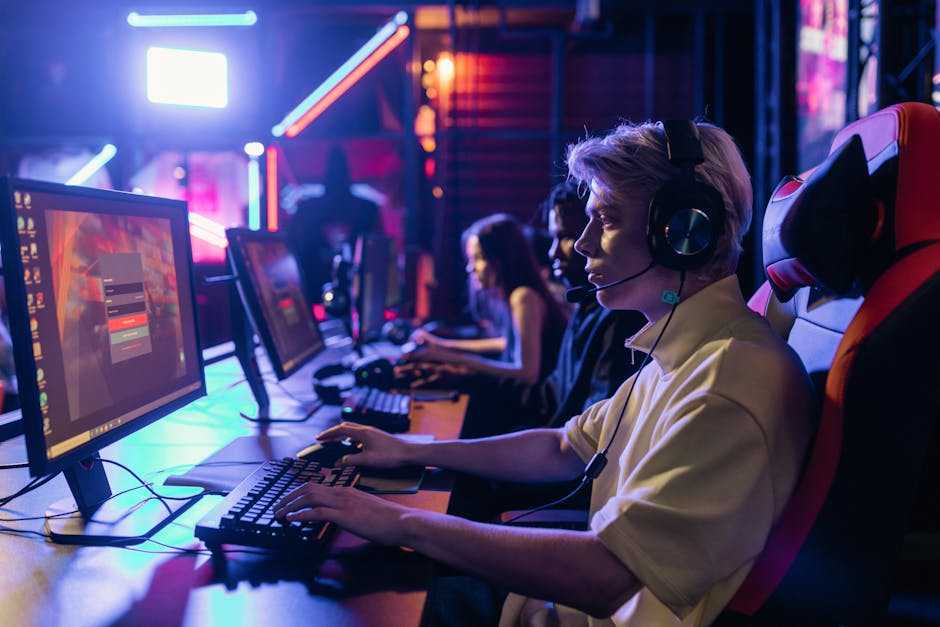
Scrims with other top tier teams aren’t casual. They’re structured, timed, and analyzed to the frame. These practice matches simulate tournament day pressure. Mistakes are welcome as long as they’re dissected. That’s where tactical reviews come in. Between sessions, players and coaches go deep: rotations, callouts, timings, utility what worked, what cracked, what needs to change before the next round.
Then it splits. Role specific drills target the finer edge aim trainers, smoke lineups, reaction timing, even decision tree exercises. It’s brain and brawn rolled into one loop. No wasted clicks, no free rounds. Just disciplined reps until decisions become instinct.
No midday slump here. This is the meat of a pro’s day and the split second moments earned here often decide the endgame.
Afternoon: Coaching, Feedback, and Review

This is where the grind gets smarter. After lunch and a reset, players plug into one on one sessions with their coaches. These aren’t hand holding chats they go deep. Coaches break down micro mistakes mechanics, timing, crosshair placement and then zoom out to look at macro decisions: rotations, map control, win conditions. Every click and move is on the table.
Next comes the group review. The squad watches scrim replays together, builds comm patterns, and picks apart what went wrong (and why). It’s not about blame it’s about tightening the machine. Identifying habits, trimming wasted motion, stacking strengths. Think film room meets tactical lab.
Overlaying all of this are data dashboards and heatmaps. Coaches use tools that show where time and actions are being spent hot zones on maps, engagement efficiency, role output per match. It gives players cold, hard feedback without fluff. Numbers don’t lie.
The same pro gamer routine that looks smooth on the outside is constantly being rebuilt from underneath. In this phase of the day, performance gets unpacked and refined. Nothing is random. Everything gets tuned.
Evening: Streaming, Brand Building, and Unwind
After a demanding day of practice and tactical drills, pro esports athletes transition into a different kind of work one that’s just as vital to their long term success: audience engagement and personal brand development.
Building the Brand Through Streaming
For many pros, evening hours include scheduled streaming sessions. These aren’t just casual hangouts they’re high output content blocks designed to maintain visibility, deepen community ties, and grow a loyal following.
Regular streaming schedules are treated with the same seriousness as scrim blocks
Interacting with fans builds authenticity and strengthens personal branding
Streaming offers an additional revenue stream beyond competition earnings
Social Media Is Part of the Game
Top players know their value extends beyond matches. Maintaining a digital presence is crucial:
Twitter: Sharing insights, banter, and statements after matches
TikTok: Bite sized behind the scenes content, gaming clips, memes
Discord: Direct fan interaction, AMAs, community events
Social platforms aren’t optional they’re extensions of the athlete’s public identity.
Light Touch, Smart Recovery
Even competitive fatigue needs a cooldown. Instead of hard grinding, evenings often include low pressure gaming and social downtime:
Playing off meta or different genres to relax without disconnecting from gameplay
Editing light content or collaborating on highlight reels with editors
Team dinners or casual online meetups to decompress and build chemistry
Rest + Reach = Longevity
Balancing exposure with recovery is a conscious strategy. Constant visibility may help now, but pacing ensures staying power.
Managing screen time to avoid burnout
Scheduling breaks around tournament seasons
Choosing when to post and when to pause for mental clarity
Pro gamers aren’t just building careers they’re preserving the stamina to sustain them. Evening hours play a critical role in that evolution.
Off Hours: The Quiet Stuff That Matters
It’s easy to glamorize the lights, the prize pools, the clutch plays. What rarely trends, though, is what goes on when the scrims shut down and the stream ends. This is where the true pro lifestyle kicks in. Media training sessions get squeezed in to prep for interviews or land that next major sponsorship deal. Sponsor calls, image briefs, and branding rundowns become part of the weekly rhythm. And for a few golden hours sometimes minutes there’s space carved out for actual personal time. Families, routines, silence.
But the body has its own list of demands. Long matches and repetitive motions build pressure on wrists, shoulders, backs. Regular therapy is common. Diet is dialed in. Sleep isn’t optional it’s tracked, optimized. Many hire sleep coaches or use tech to monitor overnight recovery. It’s not glamorous, just necessary.
Then there’s the mental game. The pressure to perform. The isolation of constant travel. The burnout. Teams that last don’t run on talent alone they invest in mental health support, group check ins, team bonding rituals that go beyond winning.
So while the public sees the highlight reels, what keeps pros alive in the game is what happens when the camera isn’t rolling. The real fight is often off server.
What Sets Them Apart
What separates top tier esports athletes from the rest isn’t flash it’s discipline. Forget the viral moments and post win celebrations. The real game is the one no one watches: the daily habits, the mechanical reps done twice over, the extra ten minutes in VOD review while the rest of the world logs off. This level isn’t about hype. It’s about quiet, consistent excellence.
These athletes live on the edge of burnout and breakthrough. The schedule is unforgiving. Mental clarity must be built and guarded. Sleep isn’t optional it’s a tool. Meals are measured. Days are structured around peak cognitive function. While others play to relax, they train to perform. Every move is tracked, refined, and retested.
Esports at this level is elite performance. It’s not just about fast reflexes it’s strategic rigor under high pressure. Tight team dynamics, coachable mindsets, and relentless self review are baked into the system. Add the expectation to stream, entertain, promote brands, stay visible, and stay sane and you’ve got a job that blends precision, stress, and complete professionalism. This isn’t a game. It’s a career built like an athlete’s, just with a keyboard instead of cleats.
 Donaldo Squirewardz has opinions about player profiles and interviews. Informed ones, backed by real experience — but opinions nonetheless, and they doesn't try to disguise them as neutral observation. They thinks a lot of what gets written about Player Profiles and Interviews, Esports Highlights and News, Expert Opinions is either too cautious to be useful or too confident to be credible, and they's work tends to sit deliberately in the space between those two failure modes.