
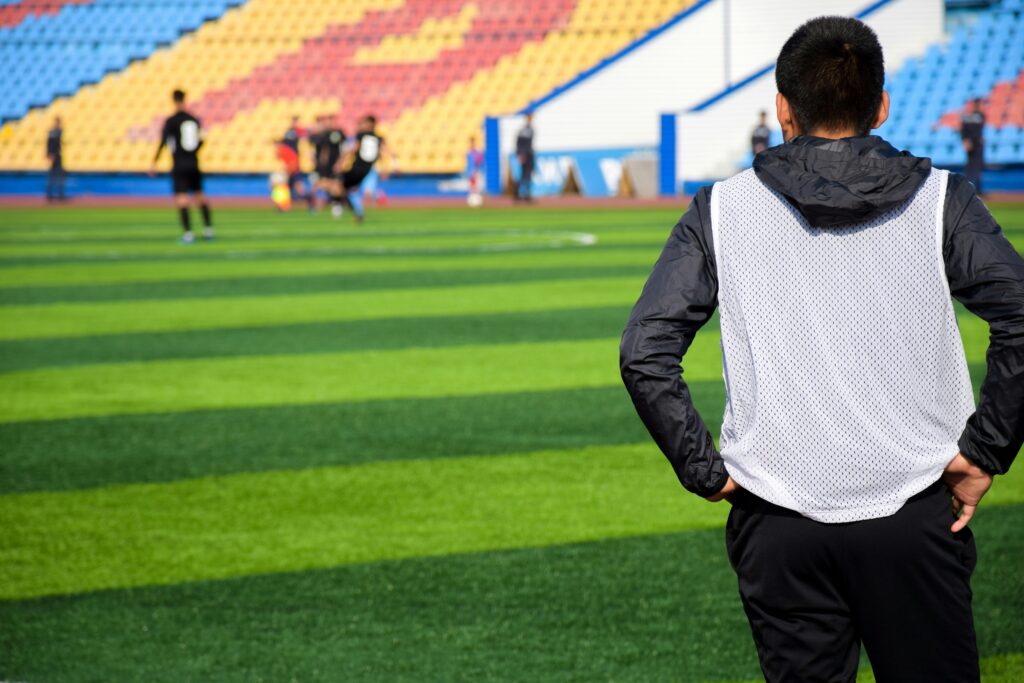
What Coaches Actually Do in Esports
Esports coaching isn’t just about telling players what buttons to press. A strong coach sees the whole board, not just individual plays. Their job is to build structure around each player’s raw mechanical skill and turn it into a cohesive, winning system. They monitor macro decisions, team synergy, shot calling habits basically, the stuff that wins you a best of five when nerves are high and the margin for error is razor thin.
Come game day, coaches shift from training mode into surgical execution. Pick and ban phases are where games begin dictating tempo, denying enemy strats, and forcing matchups your team prepped for. Great coaches study opponent patterns and adjust on the fly. That one strange comp that caught a rival off guard? Probably cooked up in hours of VOD and scrim review the week before.
But strategy alone doesn’t hold teams together. Esports is high stress, and players tilt hard. Coaching means keeping heads level during losing streaks, making the right call on a tactical timeout, and reading the mental state of five different people mid game. Some of the best coaches barely speak during matches; they trained the team’s comms and culture ahead of time to handle pressure without handholding.
A winning coach doesn’t just drop wisdom from a clipboard. They keep the team’s mental tight, shift the strategy at the right time, and leave nothing unscouted.
Structure of a Coaching Team
Pro esports coaching isn’t a one person mission it’s an infrastructure. The head coach sits at the top, acting more like a team architect than a drill sergeant. Their job? Keep the strategy aligned, manage highs and lows, and make the tough calls on game day. Think less about screaming in comms and more about long view leadership.
Analysts handle the numbers and game film. They break down opponent behavior, draft patterns, player heat maps basically the intel operation of the squad. These guys feed the coaches the raw materials they need for prep.
Then there are the player development specialists. They work behind the curtain to build consistency: coaching players through mechanical inefficiencies, helping manage mindset, and creating routines that stick. These folks are the bridge between individual progress and team results.
Pre tournament prep runs tight. Typical days involve early walkthroughs, theorycrafting sessions, mock drafts, and VOD reviews. Scrims get prioritized especially against teams the staff knows exploit meta trends. Assistant coaches and support staff dig into patch notes the second they drop, running simulations and spotlighting shifts that could blindside a team mid bracket. The goal: no surprises.
When it works, it looks natural everything clicking into place because 200 hours of prep made it possible. When it doesn’t, the gap shows fast.
More: coaching staff influence
Mental Game and Communication

In pro esports, performance isn’t just about mechanics it’s about mindset. The best coaches are part tacticians, part therapists. They know when a team needs a fiery push and when it needs a cool down break. After a tough loss or a misplayed clutch, players can spiral. A good coach is the emotional stabilizer, helping reset the vibe and rebuild confidence without sugarcoating.
Daily structure matters here. Coaches build dependable performance routines pre match warmups, controlled scrim schedules, focused cooldowns to keep players mentally dialed in and protected from burnout. Burnout is real. Long queues, constant patches, pressure to stream it piles up. Coaches who front load clarity and downtime into the weekly grind help teams play longer, and better.
Then there’s how they talk to the team. A solid team talk isn’t just hype or blame. Before a match, it’s short, tactical, centering. Post loss debriefs? Still tactical but gentler, focused on learning without shredding morale. The goal is always clarity and control, not chaos. It’s less locker room shouting, more staying sharp under pressure for what’s next.
Tactical Execution vs. Player Instinct
Coaching at the pro level means knowing when to step back and when to tighten the reins. Structure matters, especially in early and mid game planning lane assignments, early objective control, coordinated rotations. Great coaches set the framework, but they also know when to cut the leash. Because the truth is, top tier players thrive in chaos. If the map breaks open at 16 minutes, rigid structure can kill initiative.
Teaching decision making isn’t about memorizing plays. Coaches build this by running scenario drills, reviewing scrims in tight feedback loops, and highlighting good calls even if the outcome failed. It’s about sharpening game sense: who’s showing on the minimap, where pressure is forming, when to force or back off.
Map control doesn’t come from yelling on comms. It comes from reps, vision traps, spacing discipline, and pacing resets. Coaches instill that understanding, then let players own it in the moment.
Mid game? That’s a war zone. The best coaches shape how teams think under fire. It’s less about spoon feeding and more about shaping habits. When pressure spikes, strong teams don’t freeze they adapt. Coaches drill this in sessions: prioritizing clear roles during chaos, knowing when a reset buys you a win, when a flank wins a fight. It’s not just strategy it’s survival instinct, refined.
Long Term Development and Roster Synergy
In top tier esports, coaching isn’t just about winning the next match it’s about building infrastructure that lasts. The strongest teams have coaches who actively shape culture: accountability, communication norms, clarity around roles. Without that, even the most talented rosters crumble under pressure.
Great coaching staff notice cracks before they become fractures. They pick up on personality clashes early, spot patterns in scrims that signal deeper issues, and step in fast. It’s not about avoiding conflict it’s about managing it before it derails a season.
Evolving team synergy means investing in more than aim and cooldown tracking. The best coaches track progress over quarters, not just weeks. They teach macro awareness, decision making, and long term adjustment. Player instinct gets trained into disciplined intuition. That’s how teams stay sharp across patches, tournaments, and entire seasons.
Explore more about coaching staff influence
What Pro Teams Get Right (And Wrong)
Coaching isn’t a supporting role anymore it’s often the deciding edge. Look at Team Vitality’s rise in 2023. A mid season coaching shuffle brought renewed structure, better scouting reports, and a tighter practice schedule. Within weeks, their shot calling cleaned up and macro game snapped into place. They didn’t change players. They changed prep.
It’s not just European teams, either. In the LCS, FlyQuest turned a loss heavy split into playoff contention after leaning into a data first coaching framework. The coach identified mismatches in scrim performance versus stage play and restructured player feedback loops. End result? Cleaner rotations, fewer late game collapses.
But plenty of teams still get it wrong. Some ignore clear coaching input, letting ego or hierarchy get in the way. Others build around a superstar and let bad habits slide because the player’s stats look good. Losing culture, established.
Coaching turns fragmented rosters into units. Teams that buy into that process on and off map get better with time. Teams that don’t hit a ceiling fast. Talent may win games, but coaching wins seasons. The difference? One’s a flash. The other builds legacy.