What Game Sense Really Means
Game sense gets thrown around a lot, but it’s not magic, and it’s not just about having fast reflexes or cracked aim. At its core, it’s about knowing what’s likely to happen before it happens and acting on it without hesitation. It’s the unspoken rhythm of a match, the instinctive sense of when to push, when to fall back, or how your opponent is probably going to respond under pressure.
Think of it like this: mechanics get you into the fight, but game sense wins it. It’s reading the flow. Noticing the gaps in a rotation. Understanding why your opponent keeps baiting a certain angle and knowing the counter before they even commit. It’s adjusting the plan mid round because things shifted subtly, and you caught it.
Vets call it intuition. New players call it luck. But it’s built, sharpened over time by watching, thinking, and reacting smarter every match. It’s chess, not checkers and the best players aren’t just reacting, they’re predicting.
Why It Separates Good from Great
There’s a point where mechanics stop being the differentiator. Most players in high tier competitive scenes have similar aim, reflexes, and movement. That’s where game sense steps in the skill set that keeps evolving long after you’ve maxed out your raw clicks per second.
Pro teams know this. They’ve shifted focus toward decision making under fire. It’s not just about hitting shots, it’s about when to push, when to peel back, when to bait a rotate even how to sell a fake without voice comms. Split second reads and clean execution win tight rounds way more than flicks and frag counts alone.
Clutch moments usually come down to anticipation. A player who knows how to interpret a sound cue, spot a bait setup, or read an opponent’s panic pattern can swing the moment without firing the first shot. It looks like instinct but it’s built on hours of watching, thinking, and smart repetition.
Training Game Sense the Right Way
Improving game sense isn’t as flashy as grinding aim trainers or spamming ranked queues but it’s what separates reaction from recognition. It starts with watching VODs, not for entertainment, but with a scalpel. Pause often. Ask what should happen next. Notice rotations, flanks, timings. Good players don’t just react they anticipate.
Then there’s the macro layer: understanding tempo, map pressure, timing control. It’s high level strategy stuff that rarely gets shouted over team comms but wins maps quietly. The more you study why top teams push here or back off there, the more second nature this thinking becomes.
And when it comes to scrimming, you need to shift the mindset. It’s not about stacking reps. It’s about drilling purposefully. Run the same scenario with different decisions. Play out odd man retakes. Practice losing rounds the right way. Treat every rep like a mental rep, not just muscle memory.
Want to train like that? Explore drills and resources in our Player Tutorial Hub.
Examples from Top Level Play
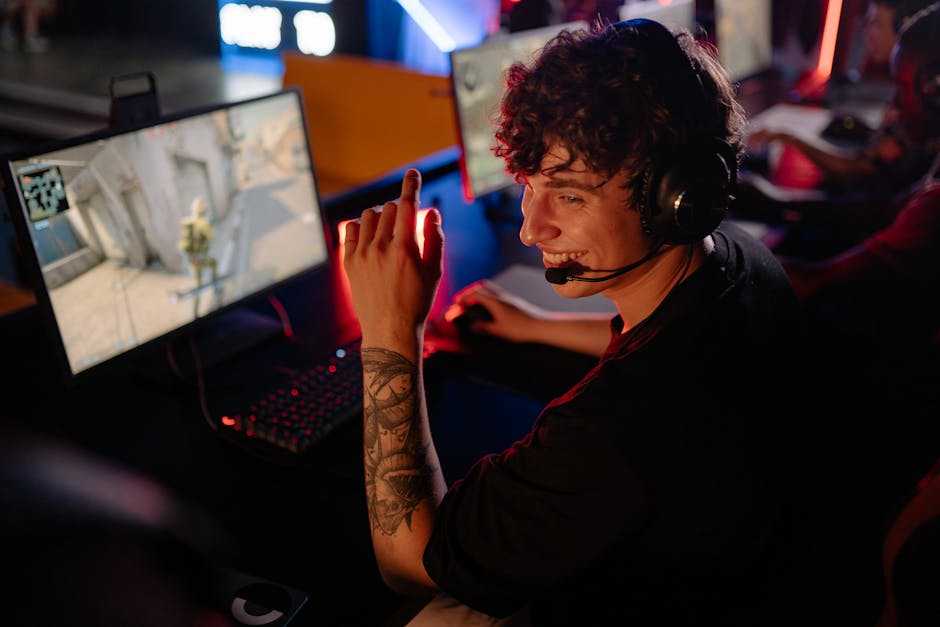
In high stakes tournaments, raw aim can steal a round but it rarely wins a championship. What separates top tier teams is how they position, rotate, and read the map under pressure. Let’s break down what that looks like.
Take the grand finals of last year’s Valorant Masters. On Breeze, instead of contesting mid every round, the winning team used early utility to suggest mid control, then rotated quietly through tunnel to flip B site from behind. It wasn’t flashy but it was match defining. That rotation called out the opposing team’s pattern, punished it, and tilted the flow of the map for three rounds straight.
Or look at CS:GO’s Major finals. One CT side setup involved anchoring A site with a lone rifler while the rest rotated early toward B based on sound cues and timing tells. Instead of brute forcing duels, they trusted the setup and it worked. The rifler didn’t need to frag out. He just needed to delay, and he did.
Game sense shows up in how players pick their spots not just when they click heads. Knowing when not to fight, when to bait out ultimates or flashes, and when it’s actually smarter to let the enemy plant so you can post up for a more favorable retake that’s where the game is actually won. These aren’t guesses. They’re patterns read in real time at a level casual players often miss. Pros get them right because they studied them, practiced them, and failed with them until they clicked.
At this level, you don’t just need the skills. You need the clearsight to act on the right read when the pressure’s on.
Building Awareness in Every Genre
Game sense shows up differently depending on the genre you’re playing. While the fundamentals of awareness and anticipation are universal, each genre emphasizes different cues, strategies, and decision making layers. Here’s how game sense plays a role across today’s most competitive formats:
MOBAs: Strategic Flow and Rotations
In Multiplayer Online Battle Arenas (MOBAs), success isn’t just about outplaying opponents in lane. It comes down to reading the macro game.
Lane control: Understanding wave management, zoning, and when to push or freeze lanes
Map rotations: Knowing when to roam, collapse, or swap lanes to secure objectives
Objective timing: Predicting when teams will go for towers, dragons, or Roshan based on resets and vision control
High level players always think two or three moves ahead getting caught out of position rarely comes down to mechanics alone.
FPS: Sound, Space, and Split Second Thinking
First Person Shooters (FPS) reward sharp reflexes, but game sense is what separates top aimers from elite competitors.
Audio cues: Footsteps, reloads, and utility deployment often hint at enemy positions
Utility usage: Timed flashes, smokes, and grenades can control space and delay enemy pushes
Map control: Intuition around choke points, timing of rotations, and when to lurk vs. trade
Strong FPS players can piece together a mental map of the match in real time often leading to smarter peaks and clutches.
Battle Royales: Adaptation in Chaos
In the unpredictable world of Battle Royales, adaptability is everything. There’s no script the best competitors master controlled improvisation.
Zone prediction: Reading future safe zones and planning rotations accordingly
Loot prioritization: Making critical decisions under pressure what to grab, what to leave
Risk management: Choosing whether to engage, rotate, or avoid fights based on gear, positioning, and numbers
Game sense here means reading the terrain, understanding team flow, and outplaying through stealth or controlled aggression.
Game sense adapts to each title but the core ability to anticipate, measure risk, and act decisively remains a must have skill across genres.
How to Measure Progress
If you’re only watching your highlights, you’re missing the real work. Game sense isn’t built in montage moments it lives in the decisions between gunfights, rotations, or cooldowns. Reviewing full footage with an eye for what you could’ve done differently is where improvement starts. Did you rotate too early? Did you hold your utility a beat too long? That’s the stuff that separates reactive from intentional play.
Getting outside input makes the process even sharper. Peer reviews, coach feedback, or simply discussing matches with teammates will expose patterns in your timing, comms, and reads that are hard to catch solo. Sometimes you don’t need more hours you need better eyes on the hours you already put in.
There’s also no shame in using tools. Apps that track positioning trends, heatmaps, or even timing data can fast forward your awareness. And if you’re starting from scratch, tap into communities built around improvement not empty flexing. The grind gets smarter when you’ve got structure.
Start tracking your growth through our Player Tutorial Hub
Final Thought: Play Smarter, Go Further
Game Sense Isn’t Luck It’s Built
Too often, players assume top level instincts are innate. But the truth is: game sense can be developed like any other skill. Whether through reviewing footage, analyzing mistakes, or breaking down enemy patterns game IQ is a result of repetition, reflection, and focused improvement.
Great instincts come from experience and conscious practice
Smart habits > random plays
Even elite players constantly refine their decision making
Why Thinking Players Go Farther
Mechanical skill can take you far, but there’s a limit. Outplaying an opponent doesn’t always mean out aiming them. It’s about insight, prediction, and quick decision making under pressure. That’s where thinking players rise above.
High level play demands strategic awareness
Success comes from consistent mental discipline
The best players know when to engage and when to wait
The Mental Edge Between Ranks
The real separator between mid level and top tier players isn’t always better clicks or cleaner movement it’s better judgment. Climbing the ladder means making smarter plays more often, not just flashier ones.
Mental composure during clutch moments = key
Knowing your role, map timing, and opponent tendencies gives you an edge
The climb isn’t just technical it’s cerebral
Bottom Line: Stay intentional, play with purpose, and remember that smart players don’t just react to the game they read it in real time.
 Thyssa Zorvanne is the kind of writer who genuinely cannot publish something without checking it twice. Maybe three times. They came to esports highlights and news through years of hands-on work rather than theory, which means the things they writes about — Esports Highlights and News, Competitive Gaming Analysis, Game Strategy Guides, among other areas — are things they has actually tested, questioned, and revised opinions on more than once.
That shows in the work. Thyssa's pieces tend to go a level deeper than most. Not in a way that becomes unreadable, but in a way that makes you realize you'd been missing something important. They has a habit of finding the detail that everybody else glosses over and making it the center of the story — which sounds simple, but takes a rare combination of curiosity and patience to pull off consistently. The writing never feels rushed. It feels like someone who sat with the subject long enough to actually understand it.
Outside of specific topics, what Thyssa cares about most is whether the reader walks away with something useful. Not impressed. Not entertained. Useful. That's a harder bar to clear than it sounds, and they clears it more often than not — which is why readers tend to remember Thyssa's articles long after they've forgotten the headline.
Thyssa Zorvanne is the kind of writer who genuinely cannot publish something without checking it twice. Maybe three times. They came to esports highlights and news through years of hands-on work rather than theory, which means the things they writes about — Esports Highlights and News, Competitive Gaming Analysis, Game Strategy Guides, among other areas — are things they has actually tested, questioned, and revised opinions on more than once.
That shows in the work. Thyssa's pieces tend to go a level deeper than most. Not in a way that becomes unreadable, but in a way that makes you realize you'd been missing something important. They has a habit of finding the detail that everybody else glosses over and making it the center of the story — which sounds simple, but takes a rare combination of curiosity and patience to pull off consistently. The writing never feels rushed. It feels like someone who sat with the subject long enough to actually understand it.
Outside of specific topics, what Thyssa cares about most is whether the reader walks away with something useful. Not impressed. Not entertained. Useful. That's a harder bar to clear than it sounds, and they clears it more often than not — which is why readers tend to remember Thyssa's articles long after they've forgotten the headline.