I’ve spent years in competitive gaming and I’m tired of hearing people say it’s rotting our brains.
You’re here because someone told you gaming is bad for your mental health. Or maybe you’re defending your own hours in ranked matches and wondering if there’s actual proof it’s doing you good.
There’s proof. Real research. Not just anecdotal stuff from players like me.
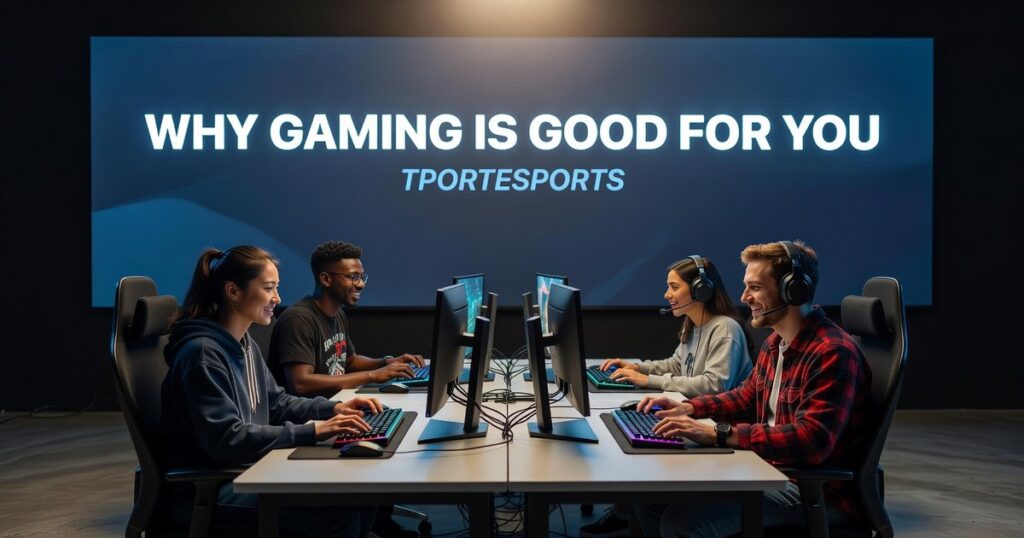
Why gaming is good for you tportesports comes down to what happens in your brain during competitive play. The cognitive load. The split-second decisions. The way you learn to handle pressure when everything’s on the line.
I’ve watched players develop mental skills that translate directly into their lives outside the game. Better focus. Faster problem solving. The ability to stay calm when things go sideways.
This article breaks down the mental benefits of esports that most people miss. We’re talking about documented improvements in cognitive function, emotional control, and social connection.
Not the surface-level stuff. The real changes that happen when you commit to competitive play.
You’ll see evidence from player psychology research and examples from actual competitive scenarios. No fluff about how gaming makes you a superhero. Just what the data shows about how structured competition shapes your mind.
Cognitive Enhancement: Sharpening the Mind Through Strategic Play
You know that feeling when you’re three rounds deep in Valorant and everything just clicks?
Your crosshair placement is perfect. You’re reading the enemy’s rotations before they happen. Your brain is firing on all cylinders.
That’s not just adrenaline. That’s your mind operating at peak capacity.
Some people say gaming rots your brain. They point to kids glued to screens and assume nothing productive is happening up there. And sure, mindlessly scrolling through mobile games for hours probably isn’t doing much for you.
But competitive gaming? That’s different.
I’m talking about the kind of play that makes your palms sweat. Where one wrong decision costs your team the match. Where you’re tracking cooldowns, positioning, economy, and enemy patterns all at once.
Games like League of Legends aren’t just button mashing. They’re high-speed chess matches where you have milliseconds to make calls that could swing the entire game.
Think about it. You’re watching the minimap while last-hitting minions. You’re calculating whether their jungler has flash up. You’re deciding if you can take that fight or if you need to back off. All of this happens in the span of a few seconds.
That’s not simple. That’s your brain processing information at speeds most people never experience in their daily lives.
The Focus Factor
Here’s what surprised me most about competitive gaming.
The focus required isn’t just intense. It’s sustained. You can’t zone out for even five seconds without missing something critical (and trust me, your teammates will let you know).
When I’m deep in a ranked match, the world outside disappears. My phone could be buzzing. Someone could be talking. Doesn’t matter. My attention is locked on that screen.
This kind of concentration becomes a skill you can use anywhere. I’ve noticed it bleeding into my work. When I need to write or analyze something complex, I can drop into that same focused state.
Research from the University of Rochester backs this up. Their studies show that action game players develop better selective attention. They get better at filtering out irrelevant information and zeroing in on what matters.
Split-Second Choices
Every game is a series of micro-decisions.
Do I peek this angle? Do I use my ultimate now or save it? Do I contest this objective or give it up?
You’re constantly running risk-reward calculations in your head. And you’re doing it under pressure with real consequences (even if those consequences are just LP or RR).
This trains something most people struggle with. Making decisions quickly without overthinking.
I used to second-guess everything. In games and in life. But after thousands of matches where hesitation means death, something shifted. I got more decisive. More willing to commit to a choice and live with the outcome. Embracing that newfound decisiveness not only transformed my gameplay but also opened my eyes to the thrilling world of Tportesports, where split-second choices can lead to either glorious victory or crushing defeat.
That’s why gaming is good for you Tportesports covers extensively. The mental skills transfer.
Memory Under Pressure
You want to talk about memory training?
Try memorizing every agent ability in Valorant. Every cooldown timer. Every common plant spot on every map. Every sound cue that tells you where an enemy is.
Or in League, knowing what 160+ champions do. What their power spikes are. What items counter them.
Your working memory gets a serious workout. You’re not just storing information. You’re accessing it instantly while doing ten other things.
The sound of a Reyna dismiss tells you she just got a kill. The absence of a Jett dash for the last 30 seconds means she probably has it up. You process this information without thinking about it.
That’s your brain getting faster at pattern recognition and recall. Skills that make you sharper in every area of life.
Building Emotional Resilience: Managing Wins, Losses, and ‘Tilt’
You know what drives me crazy?
When people act like losing a ranked match is no big deal. Just queue up again, they say. Don’t take it so seriously.
But here’s what they don’t get. That loss feels real. Your heart’s racing. Your hands are shaking. You’re replaying every mistake in your head.
And honestly? That’s not a weakness. That’s actually where the good stuff happens.
I’ve watched thousands of players tilt themselves out of ranks they worked weeks to reach. (I’ve done it myself more times than I want to admit.) You lose one game and suddenly you’re on a seven-game losing streak because you can’t stop yourself from queuing angry.
Tilt is what we call that emotional spiral. It’s when frustration takes over and you start making decisions that don’t make sense. You chase kills you shouldn’t. You blame teammates. You stop thinking.
Top players don’t avoid tilt because they’re naturally calm. They’ve just failed enough times to recognize the warning signs.
Here’s something most people miss about competitive gaming tportesports. It’s a safe place to completely bomb and try again five minutes later. You can’t do that with a job interview or a big presentation. But in a ranked match? You get immediate feedback and another shot right away.
The anxiety before a promo match feels exactly like performance anxiety in real life. Sweaty palms. Racing thoughts. That voice telling you you’re going to mess up.
But you can practice managing that feeling without real consequences.
Sure, winning gives you a quick dopamine hit. Feels great for about thirty seconds. But the real satisfaction? That comes from climbing out of a rank you’ve been stuck in for months. From finally landing that combo you’ve practiced a hundred times in training mode.
That’s delayed gratification. And it teaches you something school never does.
Failure isn’t the opposite of success. It’s just part of getting better. This is something I break down further in Compare Gaming Consoles Tportesports.
The players who make it aren’t the ones who never tilt. They’re the ones who learned to recognize it, take a break, and come back with a clear head.
The Power of Community: Combating Loneliness Through Teamwork
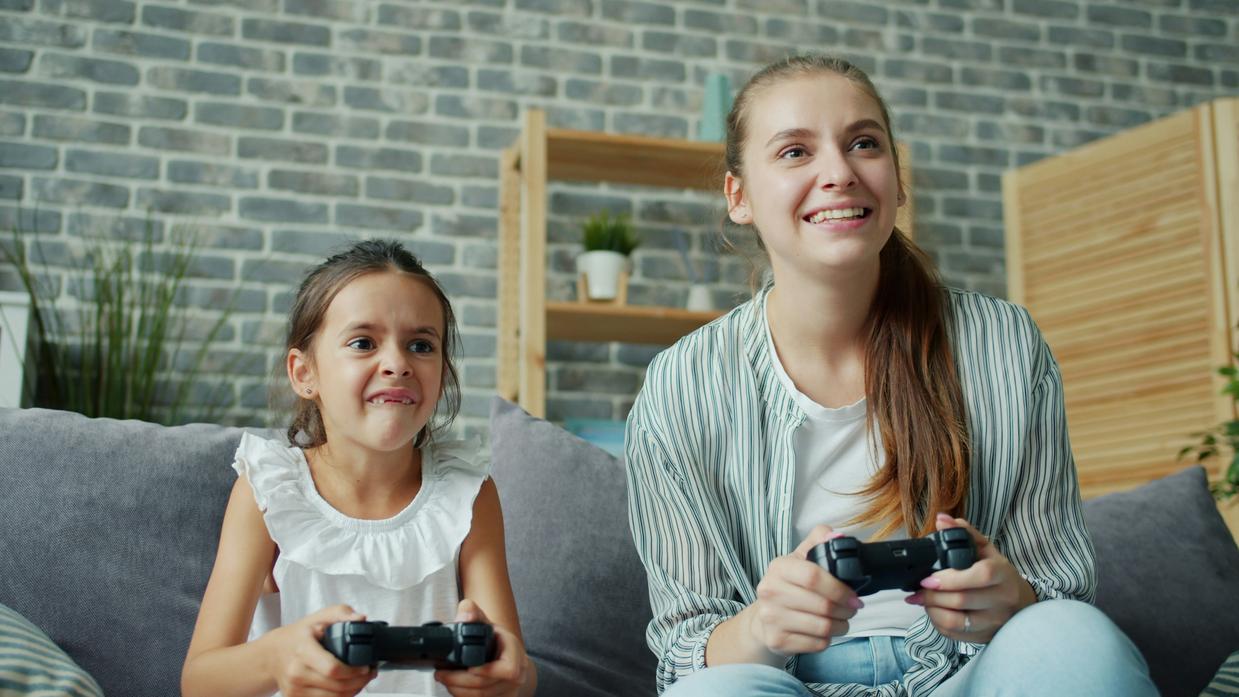
You know that feeling when you log in and your squad’s already waiting for you?
That’s not just gaming. That’s connection.
A lot of people still think gaming is this solitary thing. Some kid alone in a dark room ignoring the world. But anyone who’s actually played competitive games knows that’s backwards.
The truth is, team-based gaming might be one of the best ways to fight loneliness right now.
Think about it. When was the last time you had to coordinate with five other people in real time to accomplish something? When you had to trust strangers (or friends) to have your back while you pushed an objective? In the exhilarating world of Gaming Tportesports, the thrill of coordinating with teammates in real time to achieve victory not only tests your skills but also fosters a unique bond of trust and camaraderie that is hard to find elsewhere.
That’s real teamwork.
Finding your people online isn’t just convenient. It’s necessary.
For a lot of us, online gaming provides a sense of belonging we don’t always find elsewhere. You meet people who get your references. Who understand why you care about frame rates or why that clutch play mattered.
It’s like finding your Hawkins crew in Stranger Things, except you’re fighting digital monsters instead of interdimensional ones.
But here’s where it gets interesting.
Success in team-based esports is impossible without clear communication. You can’t just show up and hope things work out. You have to call out positions. Coordinate strategies. Give feedback without tilting your teammates.
These aren’t just gaming skills. They’re life skills.
You learn to receive criticism without getting defensive (because your rank depends on it). You figure out how to motivate someone who’s having a bad game. You discover that sometimes the best play is trusting your teammate’s call even when you’re not sure.
The bonds you build matter.
Relying on teammates creates real trust and accountability. I’ve seen friendships form in ranked queues that lasted years. People who met through a player tutorial tportesports and ended up at each other’s weddings.
That’s not an exaggeration. I tackle the specifics of this in Recommended Gaming Pc Build Tportesports.
When you’re grinding through a tournament or pushing for a higher rank together, you share something. Late night voice chats. Inside jokes about that one throw. The high of finally breaking through to the next tier.
Being part of a team or community creates a shared identity.
You’re not just playing a game. You’re part of something bigger. A clan. A guild. A Discord server with its own culture and memes.
These shared experiences are what humans need. We’re wired for it.
And honestly? Why gaming is good for you tportesports comes down to this simple fact. It gives you a place to belong when belonging feels hard to find.
The social bonds you form in competitive gaming are powerful. They’re real. And they often matter just as much as the ones you make anywhere else.
Achievement and Purpose: The Psychological Boost of Mastery
Ever notice how good it feels when you finally nail that combo you’ve been practicing for weeks?
That rush isn’t just in your head. Well, it is. But it’s real.
The thing about competitive gaming is that it gives you something a lot of real life doesn’t. Immediate feedback. You can see yourself getting better almost every session.
Some people say gaming is just a waste of time. That you’re not really accomplishing anything because it’s all virtual. They think you should spend those hours on something “productive” instead.
But here’s what they don’t get.
The skills you build and the progress you make? Those create genuine psychological benefits. Your brain doesn’t care if you’re climbing ranked tiers or climbing a corporate ladder. The sense of mastery works the same way.
I’ve watched players transform their confidence through competitive gaming. They set a goal to hit Diamond. They work toward it. They achieve it. And suddenly they believe they can tackle other hard things too.
That’s why gaming is good for you tportesports covers so much. Because this stuff matters.
Think about it. Where else do you get such clear metrics for improvement? Most hobbies don’t have ranking systems that tell you exactly where you stand and what you need to work on next. In the realm of competitive gaming, the Player Tutorial Tportesports serves as an invaluable resource, offering clear metrics that illuminate your strengths and weaknesses, ultimately guiding your journey toward mastery in a way that few other hobbies can match.
For a lot of people, that structure becomes more than just a game. It becomes a purpose. A reason to push themselves. A positive way to spend energy that might otherwise go nowhere.
And honestly? That’s worth something.
Gaming as a Tool for Mental Fortitude
I’ve shown you that competitive gaming isn’t a mindless hobby.
It’s a dynamic activity that sharpens your mind, builds emotional strength, and creates real social connections.
People still think gaming isolates you. That view misses the point entirely. Gaming at its core is competitive, social, and skill-based.
When you engage with esports mindfully, you’re developing real-world skills. Resilience. Strategic thinking. Teamwork.
These aren’t abstract benefits. They show up in how you handle pressure and work with others.
Why gaming is good for you tportesports: It gives you a structured way to build mental fortitude while doing something you actually enjoy.
We need to reframe this conversation.
Gaming isn’t something you should feel guilty about. It’s an accessible tool for building positive mental well-being.
Start treating your gaming sessions as practice for the skills you need outside the game. Pay attention to how you respond to setbacks. Notice how you communicate with your team.
The structure is already there. You just need to use it intentionally. Gaming Tportesports.
 Thyssa Zorvanne is the kind of writer who genuinely cannot publish something without checking it twice. Maybe three times. They came to esports highlights and news through years of hands-on work rather than theory, which means the things they writes about — Esports Highlights and News, Competitive Gaming Analysis, Game Strategy Guides, among other areas — are things they has actually tested, questioned, and revised opinions on more than once.
That shows in the work. Thyssa's pieces tend to go a level deeper than most. Not in a way that becomes unreadable, but in a way that makes you realize you'd been missing something important. They has a habit of finding the detail that everybody else glosses over and making it the center of the story — which sounds simple, but takes a rare combination of curiosity and patience to pull off consistently. The writing never feels rushed. It feels like someone who sat with the subject long enough to actually understand it.
Outside of specific topics, what Thyssa cares about most is whether the reader walks away with something useful. Not impressed. Not entertained. Useful. That's a harder bar to clear than it sounds, and they clears it more often than not — which is why readers tend to remember Thyssa's articles long after they've forgotten the headline.
Thyssa Zorvanne is the kind of writer who genuinely cannot publish something without checking it twice. Maybe three times. They came to esports highlights and news through years of hands-on work rather than theory, which means the things they writes about — Esports Highlights and News, Competitive Gaming Analysis, Game Strategy Guides, among other areas — are things they has actually tested, questioned, and revised opinions on more than once.
That shows in the work. Thyssa's pieces tend to go a level deeper than most. Not in a way that becomes unreadable, but in a way that makes you realize you'd been missing something important. They has a habit of finding the detail that everybody else glosses over and making it the center of the story — which sounds simple, but takes a rare combination of curiosity and patience to pull off consistently. The writing never feels rushed. It feels like someone who sat with the subject long enough to actually understand it.
Outside of specific topics, what Thyssa cares about most is whether the reader walks away with something useful. Not impressed. Not entertained. Useful. That's a harder bar to clear than it sounds, and they clears it more often than not — which is why readers tend to remember Thyssa's articles long after they've forgotten the headline.